How Healthy Feeding Helps Grass Grow Thick, Green, and Strong
Soil nutrient balance is the base of a healthy lawn. A lawn fertilization service helps by giving grass the right mix of nutrients at the right time. When the soil has too little or too much of one nutrient, grass can turn pale, grow slowly, or let weeds move in. In many yards, the fix starts with testing the soil, picking the right product, and using it in a steady plan instead of guessing.
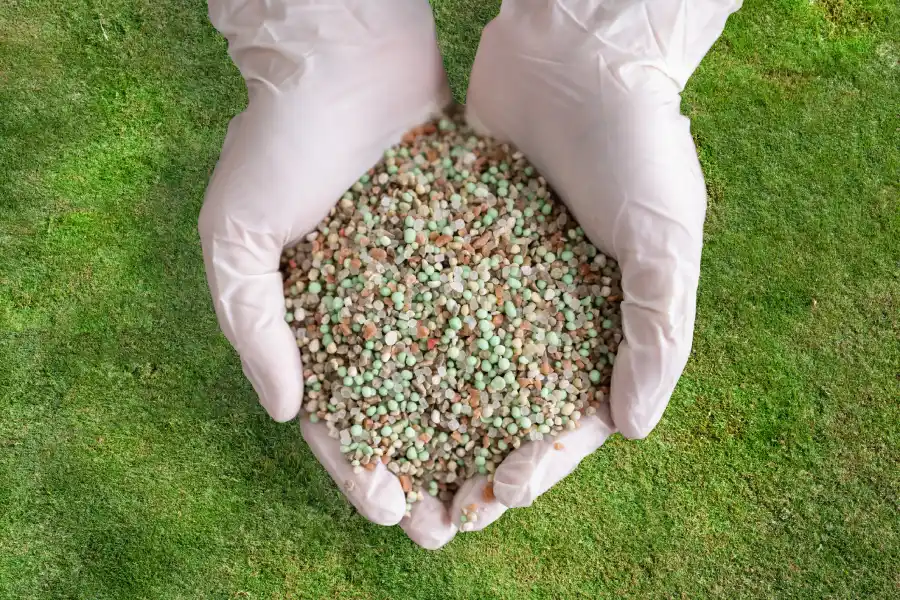
What You Need Before Starting
Before any lawn fertilization service begins, it helps to know what the lawn actually needs. Grass uses key nutrients like nitrogen, phosphorus, and potassium. It also needs healthy soil pH, good watering, and airflow around the roots. If one part is off, feeding alone may not help much. This is where a simple soil test can save time and guesswork. Even basic service category planning matters, since cool-season and warm-season lawns do not always need the same schedule.
It also helps to check a few basic things in the yard first. Look at grass color. Look for bare spots. Check if water runs off fast or sits too long. Notice if the lawn gets full sun or heavy shade. These signs can point to poor nutrient balance, compacted soil, or weak root growth.
Step-by-Step Process
A good lawn fertilization service and soil nutrient balance plan usually follows a simple process. Each step builds on the one before it.
- Test the soil to learn nutrient levels and pH.
- Identify the grass type and the season.
- Choose a fertilizer that matches the lawn’s needs.
- Mow the lawn to a healthy height before treatment.
- Apply fertilizer evenly across the yard.
- Water lightly if the product label calls for it.
- Watch the lawn over the next few weeks for changes.
- Repeat on a proper schedule instead of overfeeding.
For example, a lawn with yellow grass may need more nitrogen. A lawn with weak roots may need help from better soil structure, not just more fertilizer. If the pH is too high or too low, nutrients may stay in the soil but remain hard for grass to use. That is why balance matters more than simply adding more product.

Common Mistakes to Avoid
One common mistake is using too much fertilizer. This can burn the grass, stress roots, and lead to fast weak growth. Another mistake is using the wrong blend for the season. Feeding at the wrong time can push growth when the lawn should be resting or growing roots.
People also skip soil testing and guess based on color alone. A pale lawn is not always hungry. It may be dealing with compacted ground, bug damage, too much shade, or poor drainage. Another mistake is uneven spreading. Dark green stripes next to pale strips often mean the product was not applied evenly. A lawn fertilization service should help avoid these patchy results.
- Do not feed right before heavy rain.
- Do not apply more just because growth seems slow.
- Do not ignore watering habits after treatment.
- Do not treat weeds and feed the lawn without checking timing.
When to Call a Professional
Some lawns need more than a bag of fertilizer from the store. If the yard has ongoing bare spots, hard soil, standing water, or no change after feeding, professional help may be the smart next step. A trained crew can test the soil, spot deeper problems, and build a plan that fits the grass type and the yard’s conditions.
Professional care also helps when the lawn has mixed problems at once. A yard can have low nutrients, poor pH, fungus stress, and mowing issues all at the same time. In that case, a lawn fertilization service becomes part of a bigger lawn health plan. That plan may include aeration, overseeding, better watering, and timing treatments through the year.
Final Recommendation
If the goal is a greener lawn that lasts, focus on balance instead of quick color. Healthy grass needs the right nutrients, but it also needs roots that can reach and use them. Start with the soil, follow a simple feeding plan, and watch how the lawn responds over time. In Colts Neck, NJ, lawns often do better when feeding is matched to real soil needs instead of guesswork. If you’d like help, contact Designer Landscaping LLC to talk about treatment options. Call us at (732) 919-7882 and we can help you build a lawn care plan that fits your yard.