How to Build a Stronger Yard That Handles Heat, Foot Traffic, and Dry Spells
A lawn fertilization service for stress tolerant lawns helps grass grow deeper roots, keep better color, and recover faster from heat, dry weather, and heavy use. The goal is not just fast green growth. The goal is a lawn that stays healthy when conditions get hard. In Colts Neck, NJ, this often means using the right nutrients at the right time, watering the right way, and avoiding habits that weaken the grass.
Why Prevention Matters
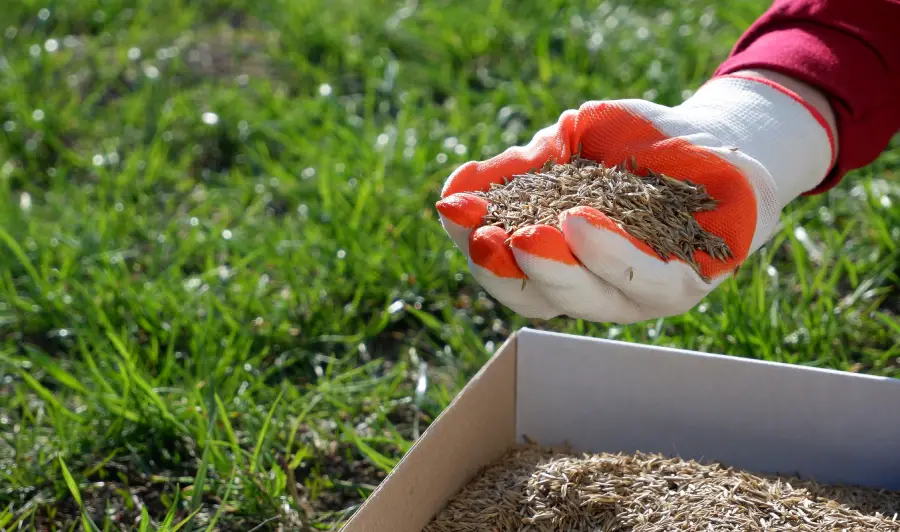
Lawns face stress all year. Summer heat can dry out the soil. Kids and pets can wear down busy spots. Too much rain can wash nutrients away. Too little rain can slow growth and thin the yard. A good lawn fertilization service helps prevent these problems before they get worse. Feeding grass on a smart schedule supports root growth, blade strength, and better recovery. This is part of smart lawn care and helps the yard stay tougher over time.
Early Warning Signs
A lawn often gives small clues before major damage shows up. If you catch those clues early, it is easier to fix the problem. Grass that is under stress may not die right away, but it can begin to weaken and lose its ability to bounce back.
- Color fades from green to pale green or yellow
- Footprints stay visible after walking across the yard
- Thin patches start showing near sidewalks or play areas
- Grass blades curl or look dry in the afternoon
- Weeds move into open or weak spots
- Growth slows even during the normal growing season
These signs do not always mean the lawn needs more fertilizer right away. They can also point to compacted soil, poor mowing habits, or uneven watering. Still, they are signs that stress is building.
Seasonal or Routine Checklist
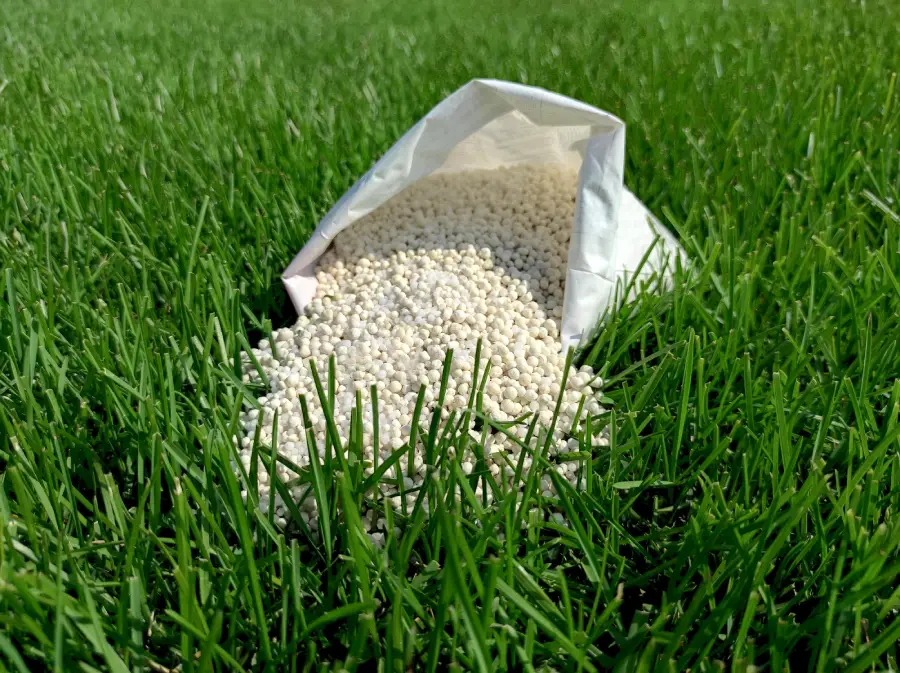
A stress tolerant lawn does best with a simple care routine. The exact timing may change by grass type and climate, but most healthy yards follow the same basic pattern. The key is steady care instead of random treatments.
- Test the soil if the lawn has ongoing weak spots.
- Apply fertilizer at the right time for the grass type.
- Water deeply and less often to support deeper roots.
- Mow high enough so the grass can shade the soil.
- Leave grass clippings when possible to return some nutrients.
- Watch for pests, disease, and weeds before they spread.
- Aerate compacted soil so air, water, and nutrients move better.
This routine helps a lawn fertilization service do more than make the yard look green for a short time. It helps create strong turf that can handle normal stress with less damage.
Best Practices for Long-Term Results
If the goal is stress tolerance, feeding the lawn needs a long-term plan. Quick growth is not always a good sign. In fact, too much fertilizer at the wrong time can push weak top growth and leave roots shallow. A better plan focuses on balance.
Use the proper fertilizer blend for the season and grass type. Cool-season lawns often need different timing than warm-season lawns. Slow-release products can help feed the grass more evenly. Watering also matters. Short, frequent watering can train roots to stay near the surface, where heat dries them out faster. Deep watering helps roots chase moisture farther down.
Mowing height is another big factor. Cutting the grass too short adds stress fast. Taller grass blades help shade the soil, hold moisture longer, and support stronger roots. If the lawn gets heavy use, such as pets running the same path or kids playing in one area, rotating traffic can also help prevent wear spots.
What Not to Do
Many lawn problems come from simple mistakes. These mistakes can cancel out the good effects of a lawn fertilization service and leave the yard weaker than before.
- Do not overfeed the lawn just to get faster green growth.
- Do not fertilize during severe heat without a clear plan.
- Do not mow too low, even if you want to mow less often.
- Do not water a little every day unless new seed needs it.
- Do not ignore hard, compacted soil in busy areas.
- Do not treat every yellow patch as the same problem.
For example, a yellow patch near a driveway may be heat stress. A thin patch near a gate may be from foot traffic and compacted soil. A weak area in shade may need less fertilizer and more light. The fix should match the real cause.
When to Schedule Professional Help
Some lawns respond well to basic home care. Others need a closer look. If the grass keeps thinning, if bare spots keep coming back, or if the yard never seems to hold color for long, it may be time for expert help. A trained team can look at soil condition, grass type, drainage, mowing patterns, and nutrient timing.
Professional help is also useful when the lawn has mixed problems at the same time. A yard may have dry spots, shade stress, compaction, and nutrient loss all in one season. In that case, guessing can waste time and money. A focused plan can help build a lawn that holds up better through heat, use, and weather swings.
Get Help Building a Stronger Lawn
If your yard in Colts Neck, NJ needs help staying healthy through heat, traffic, or dry weather, we can help with a plan that fits the grass and soil. Contact us at Designer Landscaping LLC to talk about a lawn fertilization service that supports stronger roots and better recovery. Call (732) 919-7882 and let us help you build a lawn that stays tougher season after season.